
The Process of Cast Glass
This slow and deliberate process stands in contrast to the ephemeral nature of memory and the fragile emotional architecture of home. Glass, with its dual nature of strength and fragility, becomes a poignant medium through which to explore these themes. Each cast is a kind of fossil—capturing not just the shape of the model, but the intention, time, and emotional investment embedded in its making. The process, full of risk and patience, mirrors the way we construct and reconstruct our ideas of home—layered, subjective, and deeply personal.
This slow and deliberate process stands in contrast to the ephemeral nature of memory and the fragile emotional architecture of home. Glass, with its dual nature of strength and fragility, becomes a poignant medium through which to explore these themes. Each cast is a kind of fossil—capturing not just the shape of the model, but the intention, time, and emotional investment embedded in its making. The process, full of risk and patience, mirrors the way we construct and reconstruct our ideas of home—layered, subjective, and deeply personal.
In my own work, this process becomes a kind of meditation on belonging. Just as a home is formed through daily rituals, histories, and silent moments, the cast glass object is born through repeated acts of care and waiting. The result is a piece that invites quiet contemplation—a window into the spaces we carry within us, shaped not only by architecture but by the memories it holds. Through cast glass, I aim to give physical form to these intangible feelings, creating intimate artifacts of home that speak across time and experience.
Material, Memory, and Meaning
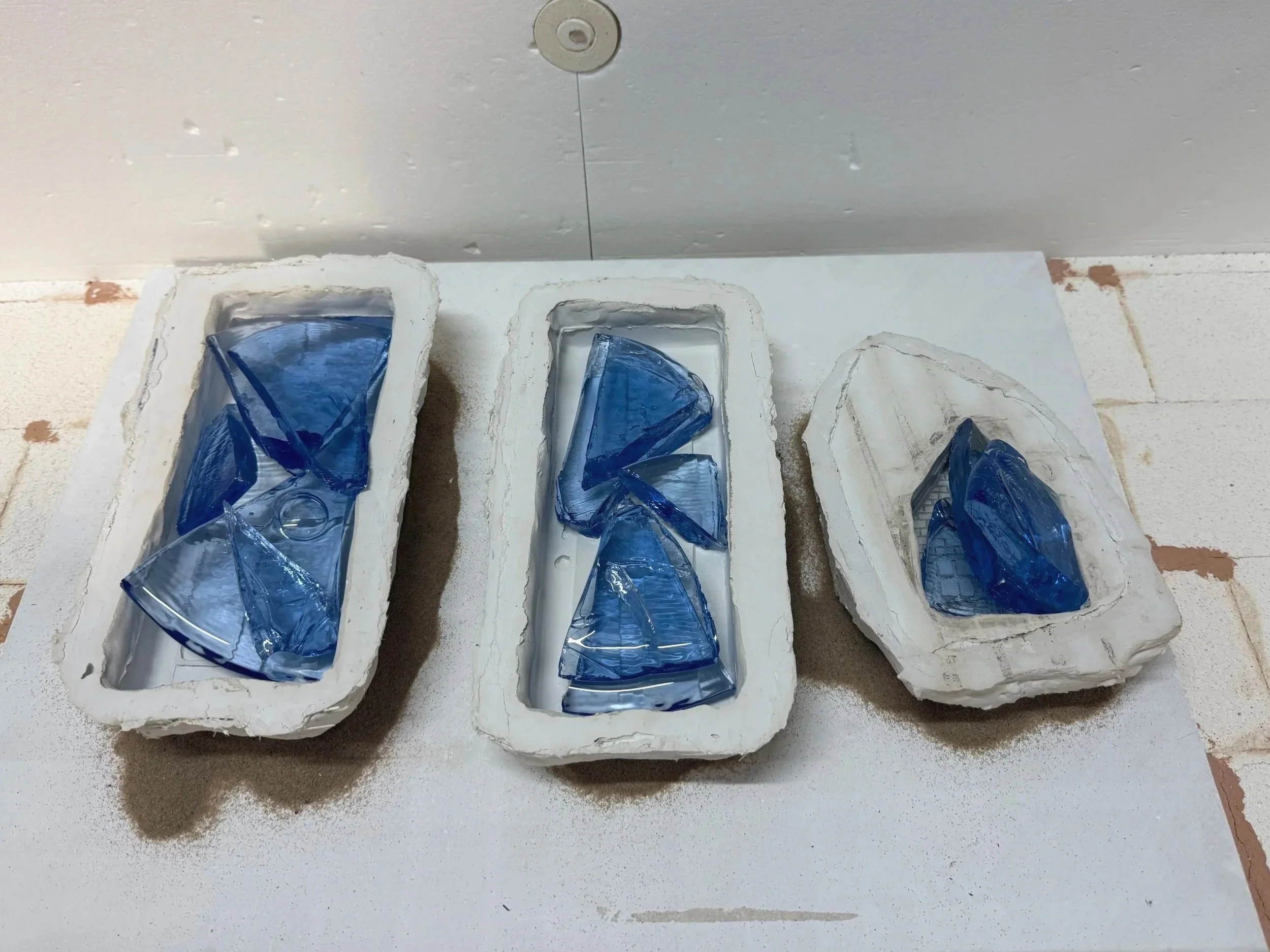
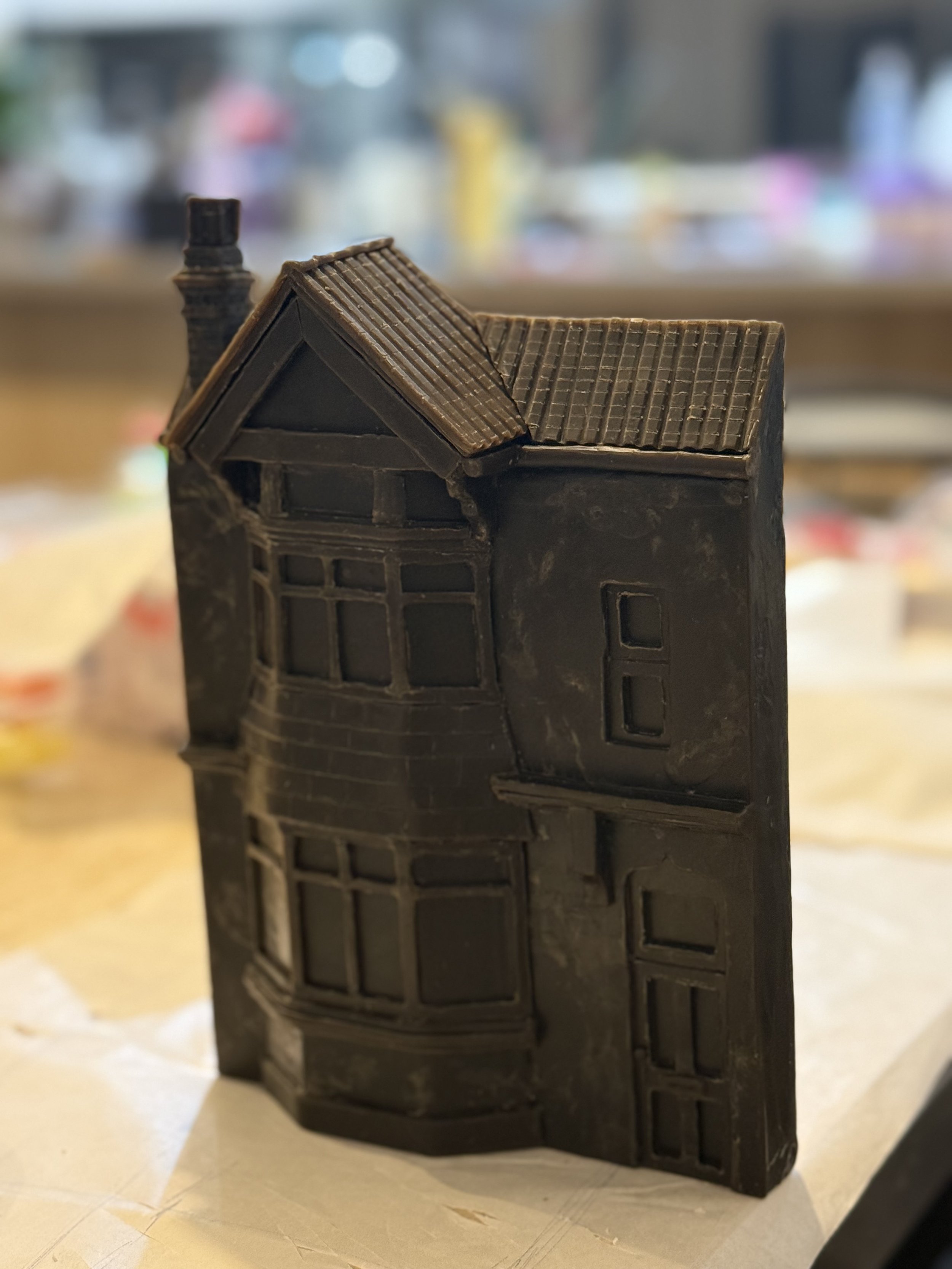
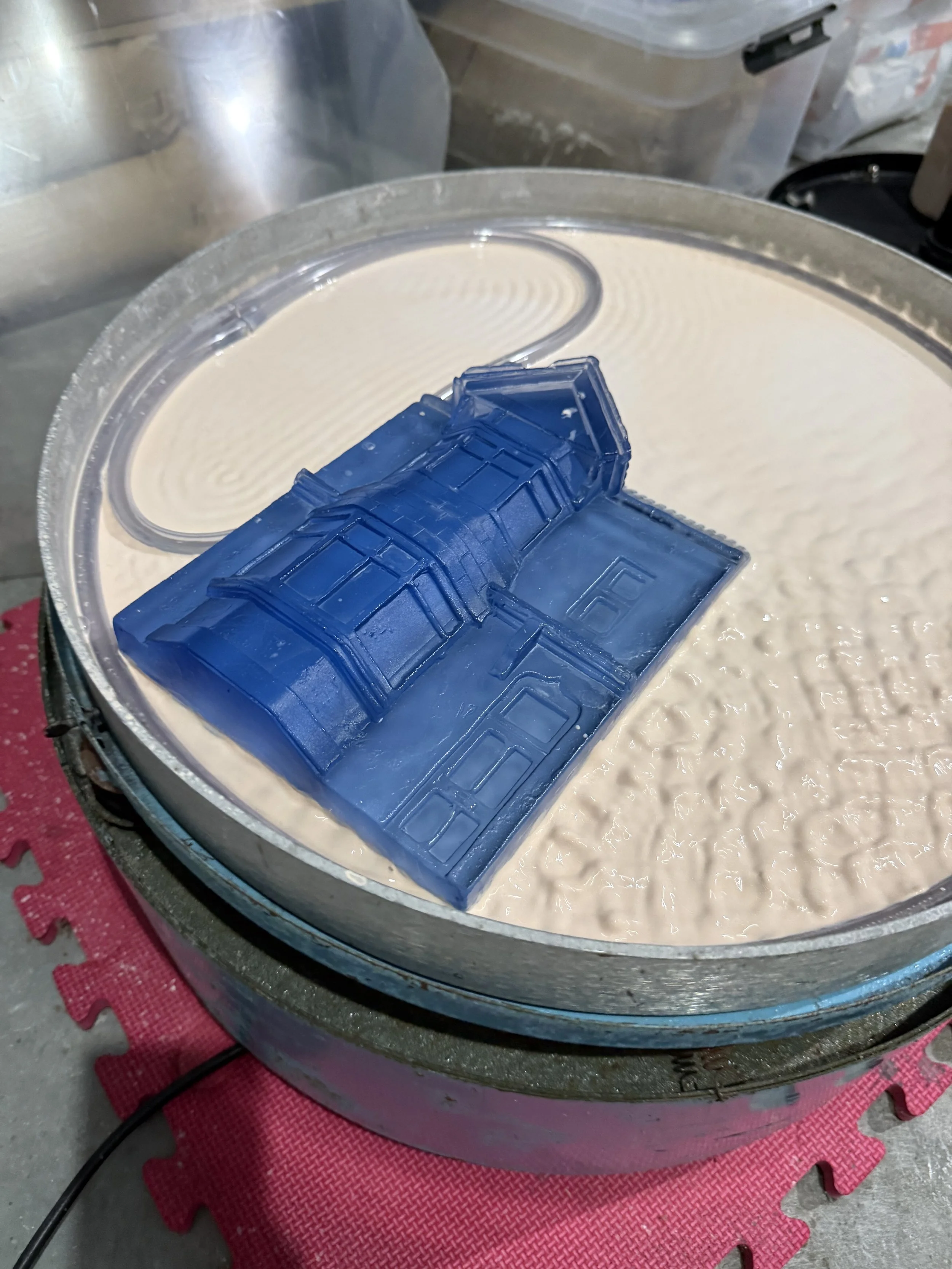
Cast glass is a time-intensive and meticulous process that begins with an idea translated into a physical model, made of wax I carve and build. This model forms the basis for a mold, which is typically made from plaster and silica to withstand the extreme temperatures required for casting. Once the mold is complete and the original model removed, glass is carefully packed into the cavity. The mold is then placed in a kiln, where it undergoes a slow firing process, sometimes lasting several days, allowing the glass to melt and flow into the negative space left behind.
The kiln process is both precise and unpredictable. Temperatures must be carefully controlled to avoid cracking, bubbles, or stress within the glass—imperfections that can compromise both structure and clarity. Cooling, or annealing, is equally important and often takes longer than the melting process itself. This extended cooling allows the glass to stabilize and prevents internal tension. Once fully cooled, the mold is broken away to reveal the cast form. What emerges is often rough and requires cold-working techniques such as grinding, polishing, and sandblasting to refine the final piece.